College Athlete Compensation Shifts: What Happens to NIL Nonprofit Collectives?
Multiple collectives have ceased operations since the settlement took effect, per the Washington Post.
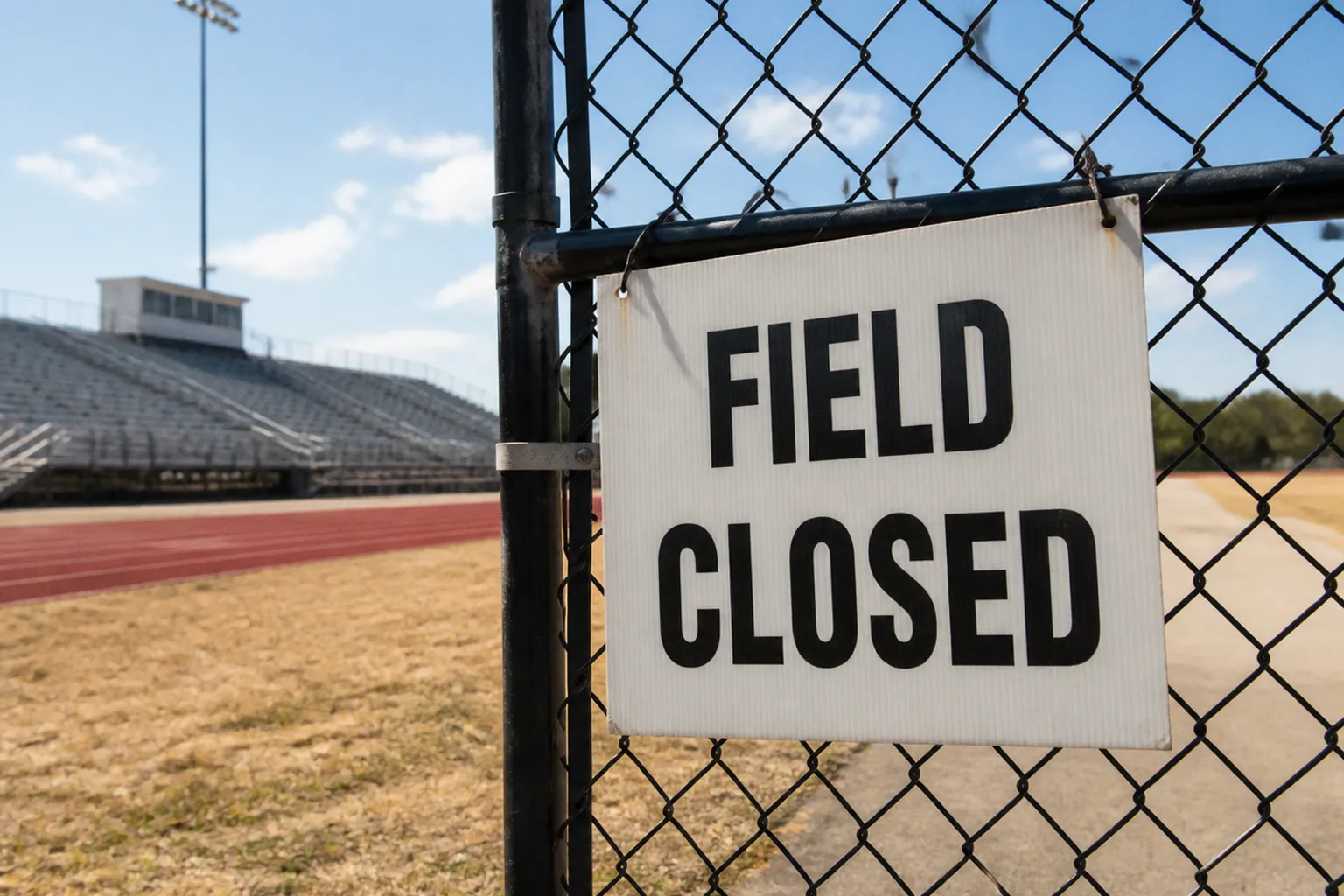
Following a 2025 settlement that allows colleges to pay student-athletes directly, several nonprofit Name, Image, and Likeness (NIL) collectives have shut down, according to a Washington Post analysis. The closures eliminate an intermediary layer that had channeled donor funds to athletes through separately incorporated nonprofit entities. For New York City nonprofit observers, the operative variable is where redirected dollars land next and what structural precedent the dissolved organizations leave behind.
The settlement and the entity layer
The 2025 agreement alters who pays college athletes. NIL collectives had operated as nonprofit pools routing donor contributions to individual players under name, image, and likeness rights. The structure gave donors a buffered channel: contributions moved to a nonprofit vehicle, then to the athlete, without the institution appearing as payer. Multiple collectives have ceased operations since the settlement took effect, per the Washington Post.
With direct institutional compensation now permissible, the intermediary function loses its core purpose. Nonprofit vehicles built around third-party administration now face dissolution or mission change. The closures produce a structural precedent: a defined nonprofit sub-type, organized around a specific regulatory gap, disappearing in a single compliance cycle.
The unverified transfer
Washington Post frames the open question: whether traditional charities capture the displaced athlete-related wealth as the collective channel closes, or whether the philanthropic windfall remains minimal.
Public reporting provides no figures on collective-to-charity fund transfer, no baseline 2024 collective giving total, and no 2025 conversion rates. Analysts working with IRS data on dissolved entities can derive partial denominators, but no consolidated estimate exists. Donor behavior — whether former collective backers continue giving, shift to donor-advised funds, or exit philanthropy — remains unmeasured.
Read-outs for the sector
- Pull IRS Business Master File extracts for organizations with "NIL," "collective," or "athlete" in program descriptions; cross-reference against revoked EIN records.
- Cross-check Form 990 Schedule I grants for fiscal years 2024 and 2025 against former collective donor rosters to identify redirected outflows.
- Track New York State Charities Bureau and parallel state registries for entities repurposing from athlete support to adjacent program areas.
- Compare Donor-Advised Fund issuance volume at major sponsors pre- and post-settlement to detect reallocation patterns.
- Monitor NCAA institutional filings for new disclosed NIL transactions routed through third-party nonprofit vehicles.