How Wall Street DAF Platforms Are Quietly Restricting Nonprofit Funding
According to ProPublica, three major donor-advised fund sponsors—Vanguard Charitable, Fidelity Charitable and Charles Schwab’s DAFgiving360—blocked donors from recommending grants to the Southern…
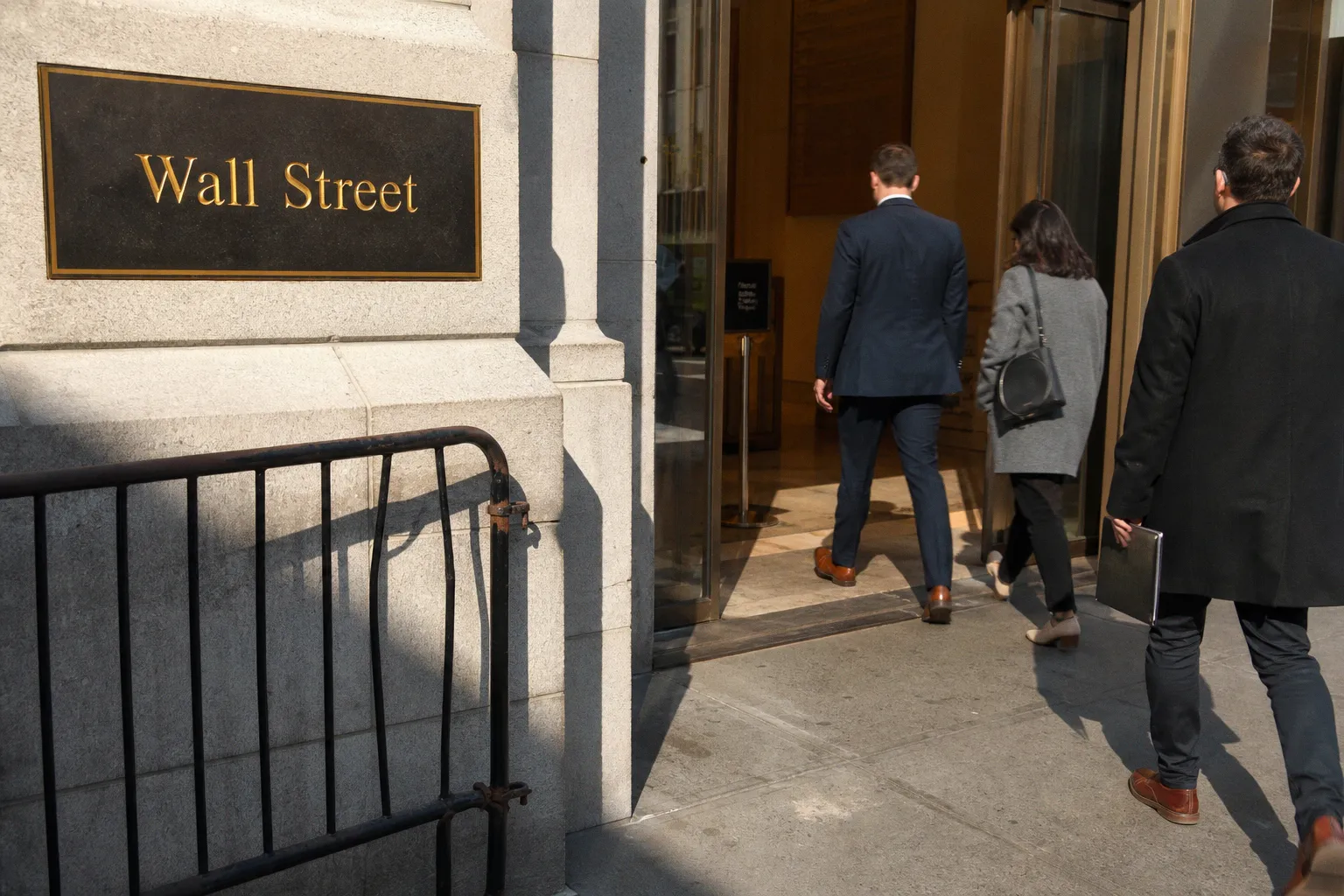
Wall Street’s Nonprofits Use Selective, Opaque Logic to Defund Charities
According to ProPublica, three major donor-advised fund sponsors—Vanguard Charitable, Fidelity Charitable and Charles Schwab’s DAFgiving360—blocked donors from recommending grants to the Southern Poverty Law Center after the organization faced fraud charges from the Justice Department. The significance for New York City nonprofits is practical as well as political: access to donor-advised fund money can now depend not only on a charity’s legal status, but also on private platform policies that may be difficult to understand, challenge or appeal.
For organizations already navigating unstable grant cycles and demanding donor expectations, this creates another layer of legislative friction without an actual legislative change. The decision-making ecosystem has moved partly inside financial institutions and their nonprofit affiliates, where reputational risk may shape whether charitable dollars can reach an organization.
The gatekeeper is often the platform, not the donor
Donor-advised funds give account holders an immediate tax deduction and allow them to recommend grants to charities later. According to ProPublica, these sponsors controlled more than $327 billion in assets in 2024 and served as the conduit for roughly a quarter of individual giving in the United States.
That scale matters because the sponsors retain legal control over the charitable assets, even though donors recommend where grants should go. They also charge administrative fees, and they can deny grant requests. For a nonprofit, this means that a donor’s willingness to support the organization may not be enough to complete the transaction.
The policies described by ProPublica differ across the three platforms. Vanguard Charitable pauses payments when an organization faces formal charges, while Fidelity Charitable and DAFgiving360 say they may stop donations when an organization is under investigation by government or law enforcement agencies. In practice, those distinctions can be consequential: a formal charge, an investigation and a public controversy may trigger different responses, but the affected nonprofit may not know which threshold was applied.
ProPublica found that Fidelity and DAFgiving360 appeared to apply their policies unevenly. The sponsors froze donations to the Southern Poverty Law Center while allowing other organizations to continue receiving funds during government investigations, including hospitals, universities, charter schools and a white nationalist organization. The sponsors said their decisions were viewpoint neutral, and ProPublica reported no evidence to the contrary; the organizations that were removed came from across the political spectrum.
The more consistent pattern, according to the reporting, was limited communication. Months after being deemed ineligible, the Southern Poverty Law Center still did not know why the action had been taken or whether there was a path to reinstatement.
What New York nonprofits should check now
I would treat this less as a reason to abandon donor-advised funds than as a reason to stop treating them as a frictionless fundraising channel. New York City organizations should identify which major platforms their donors use, ask whether those platforms have published rules concerning investigations, formal charges or reputational concerns, and document the appropriate contact route before a problem arises.
Fundraising teams should also separate three questions that are often collapsed into one:
- Is the organization legally eligible to receive charitable contributions?
- Is the organization eligible to receive grants through a particular donor-advised fund sponsor?
- If a recommendation is denied or paused, does the sponsor provide an explanation, review process or reinstatement pathway?
The first answer does not necessarily determine the second. ProPublica’s reporting specifically describes decisions made even when an organization had not been convicted and had not lost its tax-exempt status. That distinction should be reflected in internal risk planning, donor communications and board discussions.
A nonprofit should be careful not to promise a donor that a recommended grant will arrive simply because the donor has initiated it. Where appropriate, development staff can ask donors to alert the organization if a grant is delayed or rejected, while avoiding speculation about the platform’s motives. The immediate objective is a documented record of what happened, which policy was cited and whether comparable organizations appear to have been treated differently.
The advocacy route is transparency and consistency
The broader issue is not whether private sponsors may protect their own reputations. A former Vanguard Charitable general counsel told ProPublica that these decisions are viewed as reputational-risk management and that one decision can establish a precedent affecting future recommendations. That logic explains why platforms may act cautiously, but it does not resolve the accountability problem for charities and donors.
For community stakeholders in New York City, the strategic roadmap is therefore straightforward: map the organization’s exposure to donor-advised fund channels, preserve evidence of blocked or delayed grants, request written explanations, and coordinate with peer nonprofits facing similar uncertainty. Sector associations and advocacy groups can use documented cases to press for clearer triggers, consistent application of policies, timely notice and a meaningful review process.
Until those standards become more visible, donor-advised funds should be understood as an important but conditional part of the nonprofit funding ecosystem. The practical question for each organization is not only where its donors want to give, but also which intermediary controls the final gate—and what that intermediary is required to explain when the gate closes.