New York Climate Week 2026: Bridging the Gap Between Philanthropic Pledges and Nonprofit Reality
Sustainability Magazine reports that Climate Group kicked off New York Climate Week 2026 alongside the UN General Assembly, corralling nonprofits, institutional funders, and city officials into the…
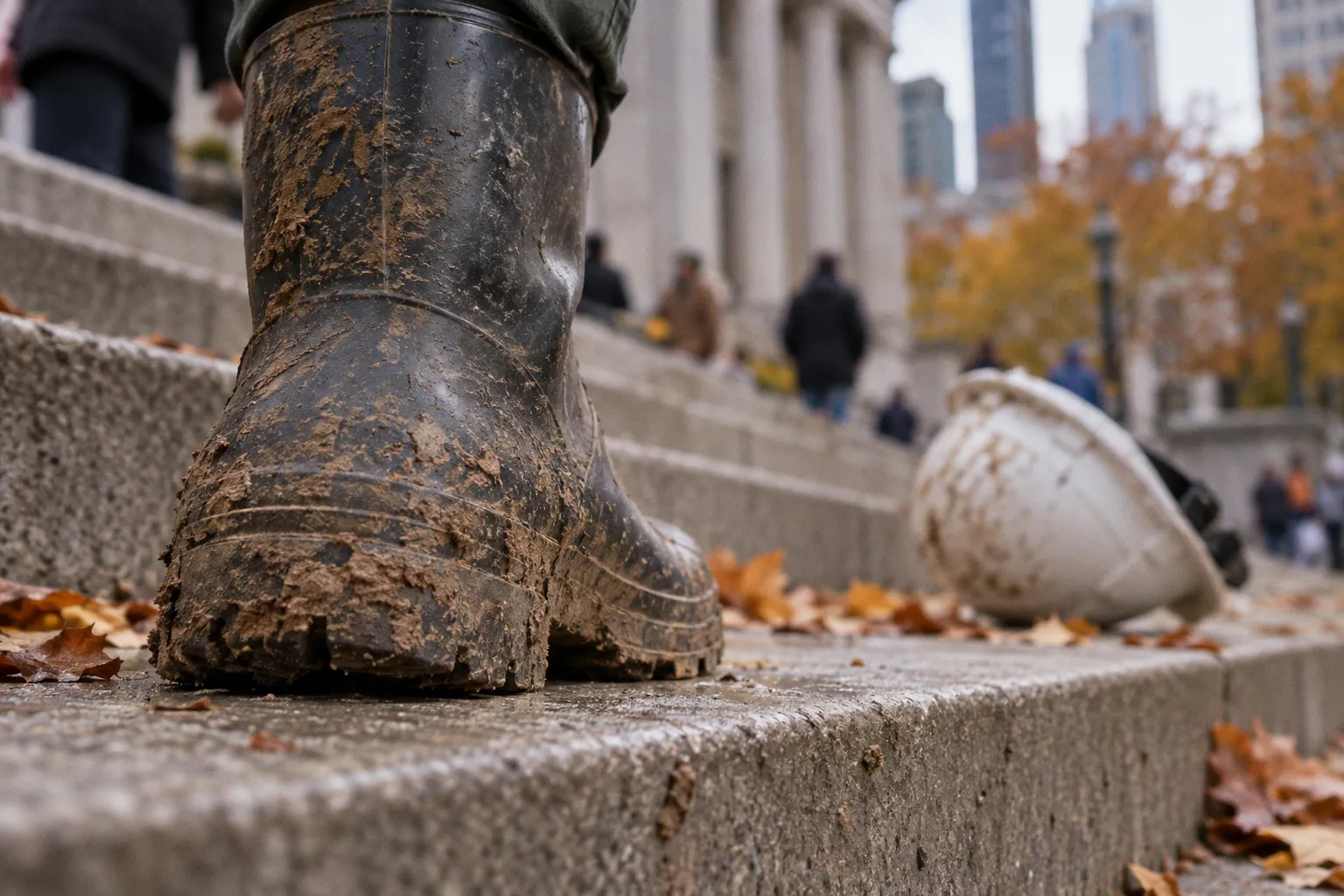
Sustainability Magazine reports that Climate Group kicked off New York Climate Week 2026 alongside the UN General Assembly, corralling nonprofits, institutional funders, and city officials into the same Manhattan rooms to talk urban climate resilience. Convene, network, pledge, repeat — the annual choreography of climate philanthropy is back in full swing. The harder question for anyone running a New York nonprofit is whether any of this year's confetti actually translates into next year's operating budget.
The oligarchic backdrop nobody wants to name
Drop into any Climate Week panel and you'll hear "resilience" used the way a defense attorney uses "context" — to soften the optics of what's actually happening underneath. The Institute for Policy Studies just dropped Gilded Giving 2026: Philanthropy Under Oligarchy, and the picture it paints is ugly enough to clear the room. Political scientist Jeffrey Winters has argued that oligarchy, in its original Aristotelian sense, is "rule by the wealthy few," and that the defining move of oligarchs is what he calls "wealth defense" — protecting the pile. By that logic, philanthropy isn't generosity with a tax deduction; it's one of the more elegant instruments of wealth defense our tax code already subsidizes.
The numbers from the Center for Effective Philanthropy, folded into the IPS report, should be tattooed on every funder's forearm: 69 percent of nonprofits reported funding cuts from public or private sources; 73 percent of nonprofit leaders saw increased service demand in 2026; and 46 percent are worried their organization will have to close or merge. Nearly a third already cut services. Meanwhile, taxpayers subsidize up to 73 cents of every dollar the ultra-wealthy donate — meaning the public is, in effect, cosigning the philanthropic check. The donor class isn't bleeding; the recipient sector is. That is the cash flow hemorrhage nobody in a panel moderator's lapel mic wants to discuss between the cocktail hour and the closing plenary.
What a working NYC nonprofit should actually verify
Skip the keynote circuit. Before any board member flies home quoting a headline grant announcement, make them answer three questions in writing: who is the actual check-writer, what is the disbursement schedule, and what strings ride on the climate-resilience framing. "Urban resilience" is the new vocabulary for everything from stormwater retrofits to youth workforce programs, and funders love a label broad enough to be reshuffled the moment the news cycle turns.
Then pull the IPS report off the website and read it before your development team writes another letter of inquiry. The status-quo pattern is documented: big donors route through private foundations and donor-advised funds, defer to political pressure, and park endowments in vehicles that contradict the mission on the grant cover page. If your prospective funder checks any of those boxes, your "partnership" is boardroom theater with no understudies and no box office. The vanity metrics — logos on a webpage, co-branded white papers, a seat at a Climate Week roundtable — aren't capacity. They don't keep the lights on in a Bronx community center or pay a caseworker in East Flatbush.
Reality check for leadership: convening season ends when the UNGA gavel drops. Operating budgets don't. Treat every Climate Week handshake as unverified intel until the wire confirms it, and don't mistake proximity to power for proximity to capital. The sector runs on receipts, not résumés.