New York Nonprofit Compensation Survey Deadline Pushed to August 24
According to the New York Council of Nonprofits, the New York Council of Nonprofits and Nonprofit New York have extended the deadline for the 2026 New York State Nonprofit Compensation Survey to…
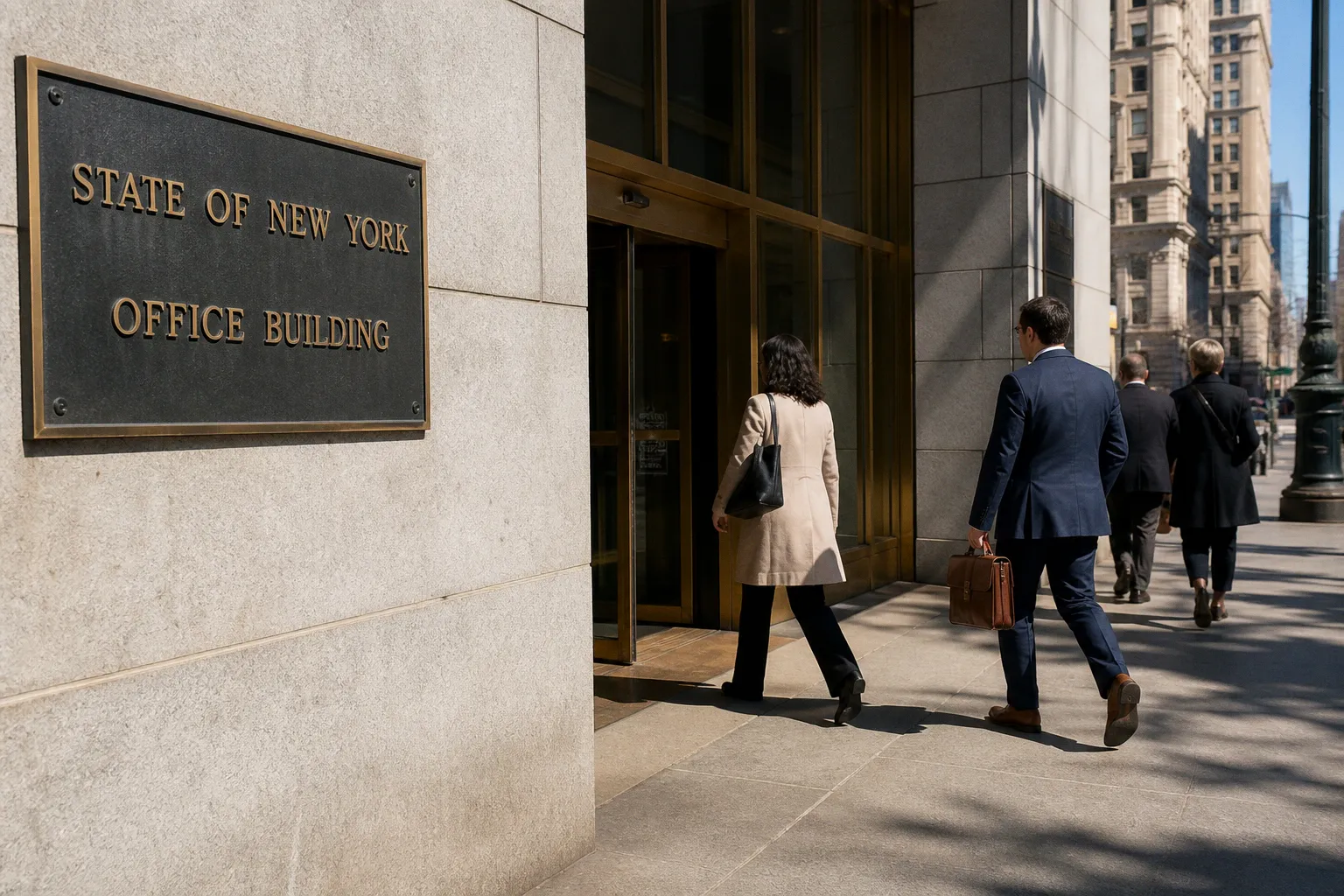
According to the New York Council of Nonprofits, the New York Council of Nonprofits and Nonprofit New York have extended the deadline for the 2026 New York State Nonprofit Compensation Survey to August 24, giving more organizations additional time to participate. For New York City nonprofits, this is a small but meaningful administrative window: compensation data can shape how community stakeholders understand staffing pressures, organizational capacity, and the practical cost of delivering services.
The immediate task is now a deadline check
If your organization intended to participate but has not yet completed the survey, I would treat August 24 as an action date rather than a distant planning milestone. Confirm internally who owns the submission, whether the relevant compensation information is available, and whether the organization has received the participation instructions from the New York Council of Nonprofits or Nonprofit New York.
The evidence available here does not specify the survey’s questions, submission process, or whether a further extension is possible, so I would not rely on assumptions about the mechanics. The safest route through this administrative maze is to verify the current instructions directly with the two organizations identified in the announcement and to document who is responsible for completing the response.
For smaller nonprofits, where finance, operations, and human resources responsibilities often sit across a limited number of staff, naming that owner matters. A deadline extension only helps if it is translated into a clear internal handoff, with the organization’s available information assembled before the final day.
Why compensation data matters in the current ecosystem
The survey extension arrives amid wider uncertainty for nonprofit organizations that depend on public funding. A City Journal analysis described efforts by the Trump administration to reduce federal funding for nonprofits and argued that lower reliance on public dollars could encourage charities to return to their core missions. Separately, Newsday reported that ECLI-VIBES, a Long Island nonprofit supporting victims of domestic violence and abuse, is facing severe financial uncertainty after a significant reduction in state funding.
Those reports do not establish what will happen to any particular New York City organization, and they should not be treated as evidence about the compensation survey itself. They do, however, illustrate the legislative and funding friction surrounding nonprofit operations: organizations are being asked to maintain services while navigating uncertainty about the public dollars that help support them.
In that environment, compensation information is not merely an internal human-resources exercise. It can become part of a broader sector conversation about what it costs to recruit and retain staff, how funding decisions affect service delivery, and whether grant or contract structures reflect the realities faced by nonprofit employers. The available facts do not indicate that the survey will produce any specific policy change, so the responsible claim is narrower: participation can contribute organizational information to a statewide sector research effort.
A practical advocacy route for NYC organizations
I would approach the August 24 deadline in three stages. First, confirm whether the organization plans to participate and identify the person responsible for the response. Second, verify the current instructions with the New York Council of Nonprofits or Nonprofit New York rather than relying on older messages or informal summaries. Third, preserve a simple internal record of the submission decision and any unresolved questions, particularly if the organization cannot provide all requested information before the deadline.
That final record is useful even when an organization chooses not to participate. It gives leadership and board members a factual basis for understanding whether the barrier was timing, missing information, staffing capacity, or uncertainty about the process—distinctions that matter when nonprofit advocates later discuss the administrative burden facing community organizations.
The wider New York nonprofit ecosystem is also experimenting with more community-directed approaches. Grantmakers In Health highlighted the Upper Broadway Fillmore Transformation Project in Buffalo, where a resident-led Neighborhood Council is being established to guide health equity investments. That example is separate from the compensation survey, but it reinforces a point I would keep in view: better sector intelligence is most valuable when it supports decisions that are accountable to the communities nonprofits serve.
For now, the roadmap is straightforward: verify the extended deadline, assign responsibility, and decide deliberately whether your organization can submit by August 24. The extension creates room to act, but it does not remove the need for an internal plan.