Rising Public Anxiety Over AI Energy Use Impacts New York Nonprofit Operations
53% of US adults now rank AI's ecological footprint as a top-tier concern, up 12 points from 41% a year ago, according to a new AP–NORC Center for Public Affairs Research–University of Chicago Energy Policy Institute poll of 3,424 adults.
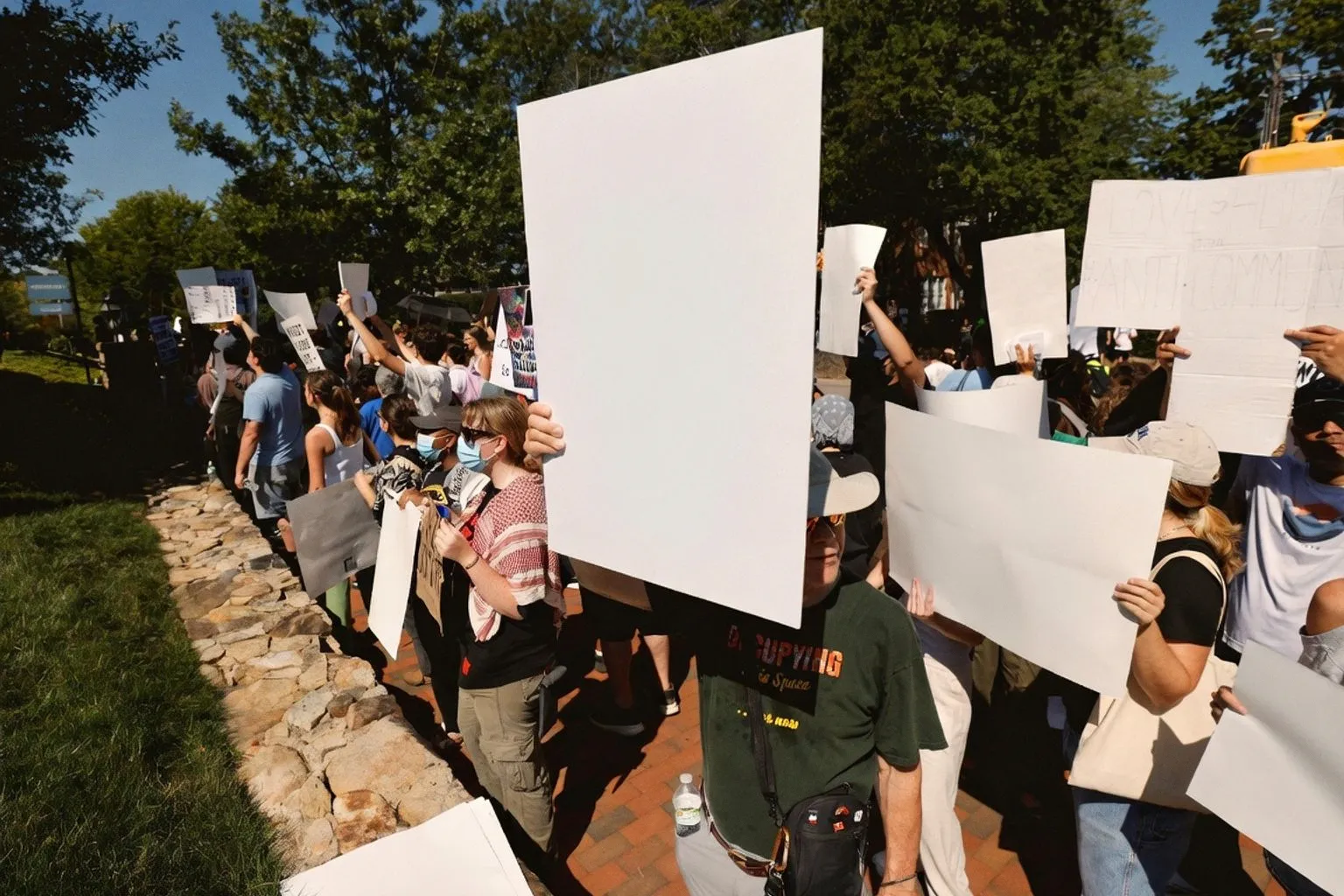
For New York's nonprofit ecosystem, the figure lands with operational consequence: New York State ranks among the top five US digital infrastructure hubs, and the electricity and water costs imposed by local data centers now register as a measurable line item in facility budgets citywide.
Partisan split, narrower on local costs
The August survey recorded the steepest concern among Democrats, with roughly two-thirds describing themselves as "extremely" or "very" concerned, versus about half of independents and four in ten Republicans. The gap compresses, however, when the question shifts from abstract carbon footprint to local utility bills. A clear majority of respondents across affiliations report high concern about data centers raising electricity prices and straining water supplies in host communities. Michael Greenstone, director of the University of Chicago institute behind the poll, framed the shift in direct terms: "We're undertaking a massive experiment in real time, and I don't think there'll be any putting the milk back in the bottle."
New York's exposure in context
Virginia and Texas lead the nation in operating facilities; California, Ohio, and New York follow as top digital infrastructure hubs. Thousands of data centers already span the US, with extensive hyperscale construction underway to meet AI and cloud demand. Fengqi You, a Cornell University energy systems professor, characterized the water load as "nationally modest but potentially locally decisive." For nonprofit facility managers — already tracking heating, cooling, and water against fixed grant allocations — the relevant variable is local: a single hyperscale site can shift municipal water budgets and grid pricing in adjacent census tracts. Survey respondents echoed that local frame. A computer science student from Cincinnati told AP there is "a lot of water usage by AI data centres that's taking away from other things like agriculture and farmers." A 60-year-old retired respondent from Waltham, Massachusetts, said the core issue is that "decisions are being made for the company, not for the community that they're being built in."
What to verify and track
- Con Edison and National Grid commercial/institutional rate filings, broken out by borough, to benchmark exposure to data-center-driven demand.
- NYC DEP water consumption reports for any data center site in the five boroughs and adjacent Westchester and northern New Jersey zones.
- Facility-level utility share of total operating budget for a sample of 10–20 nonprofits over a 24-month window, to isolate AI-driven cost drift from broader inflation.
- State legislative tracking: NY Senate and Assembly bills on data center siting, water permitting, and community benefit agreements.
- Grant funder policy shifts: whether any NYC-area foundations have added environmental disclosure or infrastructure-cost clauses to recent RFPs.