Mayor Mamdani Overhauls the Mayor's Fund to Advance NYC by Dismissing Entire Advisory Board
According to City Journal, Mayor Zohran Mamdani has dissolved the entire advisory board of the Mayor's Fund to Advance New York City — a 501(c)(3) vehicle that funnels private dollars into municipal…
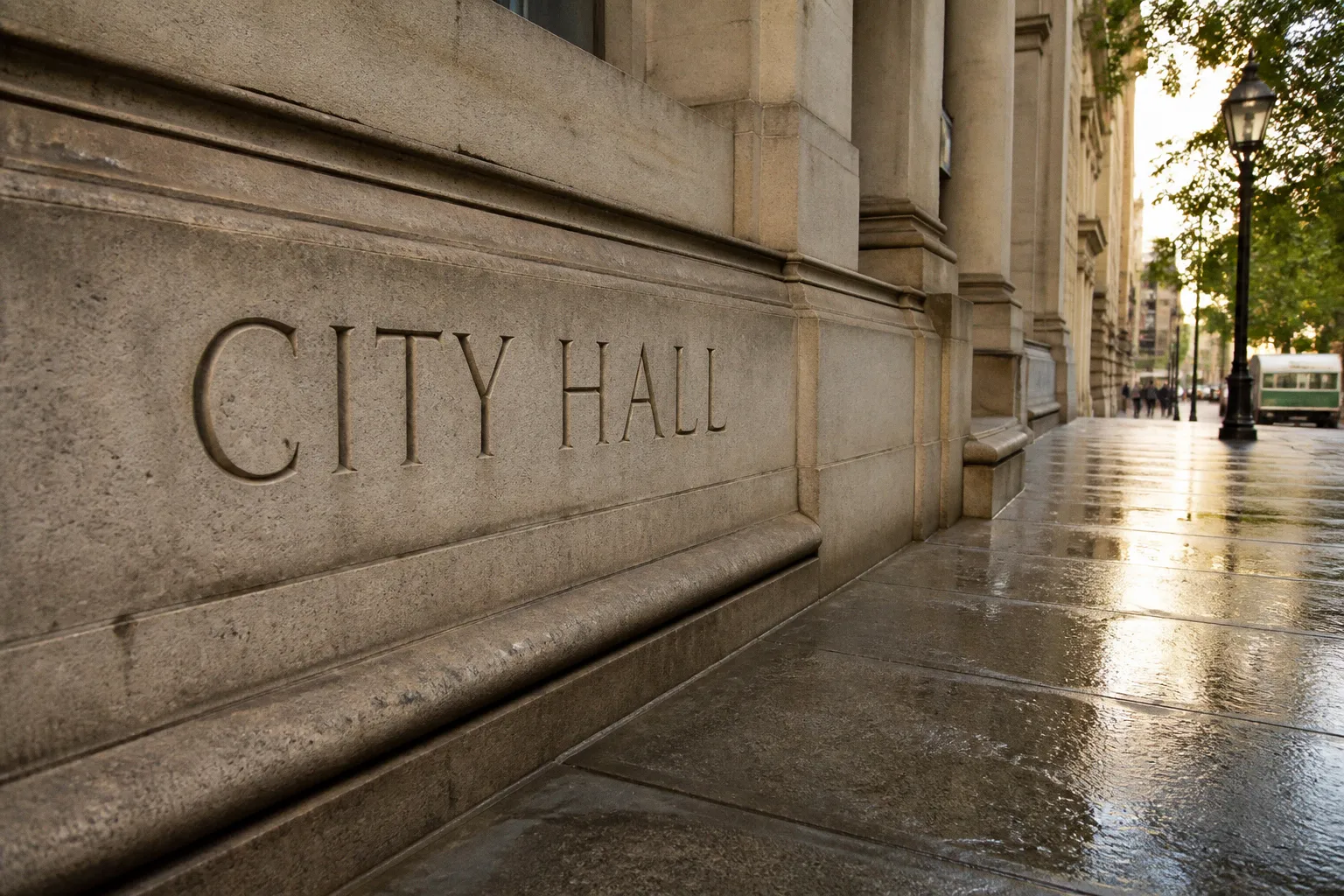
When City Hall tears up the playbook, we read the wreckage so you don't have to. According to City Journal, Mayor Zohran Mamdani has dissolved the entire advisory board of the Mayor's Fund to Advance New York City — a 501(c)(3) vehicle that funnels private dollars into municipal priorities — in a single sweep that nobody in the nonprofit corridor saw coming this cleanly. For every executive director in this city who has ever written a grant application, walked a sponsor through a Hudson Yards reception, or simply assumed the Bloomberg-era philanthropic handshake still existed, this is the moment to stop assuming.
The boardroom massacre, dissected
Let's be precise about what "dissolved" means here. Per City Journal's reporting, every unpaid advisory board member was fired en masse — not rotated, not retired, not given the courtesy of a thank-you brunch. The casualty list includes Ed Skyler, the Citigroup executive and Bloomberg/Giuliani City Hall veteran who had served continuously since the de Blasio administration. That is not a routine transition. That is a message.
One jettisoned board member told City Journal the quiet part out loud: he had assumed new leadership would "look to replace us with his friends. Whether they can raise or donate money is another matter." Read that sentence twice. The skepticism isn't about personalities — it's about the fundraising pipeline that the board actually represented.
The cash flow hemorrhage is already underway
Here's the part that should make your finance team sit up straight. City Journal traces the fund's trajectory from a $1 million-a-year Giuliani side project to a $105.9 million powerhouse under Bloomberg in 2013, then a drift through the de Blasio years and a $77 million COVID-era corporate infusion. Under Mayor Adams, donors got spooked by the corruption headlines, and last year the fund raised just $7.9 million while disbursing more than it took in. That is a structural deficit, not a rough quarter.
Strip away the politics and you have a nonprofit whose donor base had already been quietly walking toward the exit before Mamdani picked up the ax. The question now is whether the new regime sees the fund as a tool to repurpose or a relic to wind down — and your organization cannot afford to guess wrong.
What your board should be doing this week
Enough commentary. Here's the practical work.
First, audit your exposure. If your funding model touches the Mayor's Fund — directly, through a fiscal sponsor, or via a pass-through grant for a World Cup–adjacent program — flag every active agreement and identify the renewal date. Assume nothing carries over.
Second, diversify the relationship map. The Bloomberg-era logic — corporations as valued partners who want a seat at the table — just took a public hit. Boards that built strategy around a single municipal handshake need a parallel pipeline: corporate giving officers, family foundations, and intermediary funds that do not run through City Hall.
Third, watch the legal wrapper. A dissolved advisory board leaves the 501(c)(3) itself intact, but the governance gap is real. If your nonprofit depends on the fund as a fiscal sponsor, get clarity in writing on who actually signs checks during the transition.
The reality check
We have watched enough "new mayor, new priorities" cycles to know the first hundred days are theater. What isn't theater is a donor base that was already thinning, now handed a reason to pause entirely. Leadership in this sector can either treat this as a footnote or treat it as the early warning it actually is. We know which one our readers will choose — because you've survived worse boardroom theater than this, and you didn't do it by hoping the next press release would save your budget.