New York AG Guidance Simplifies Access to Hospital Charity Care for Residents
Released by the Office of the New York State Attorney General, the document walks patients through a protection that many insured and uninsured New Yorkers alike have never been told exists, and it…
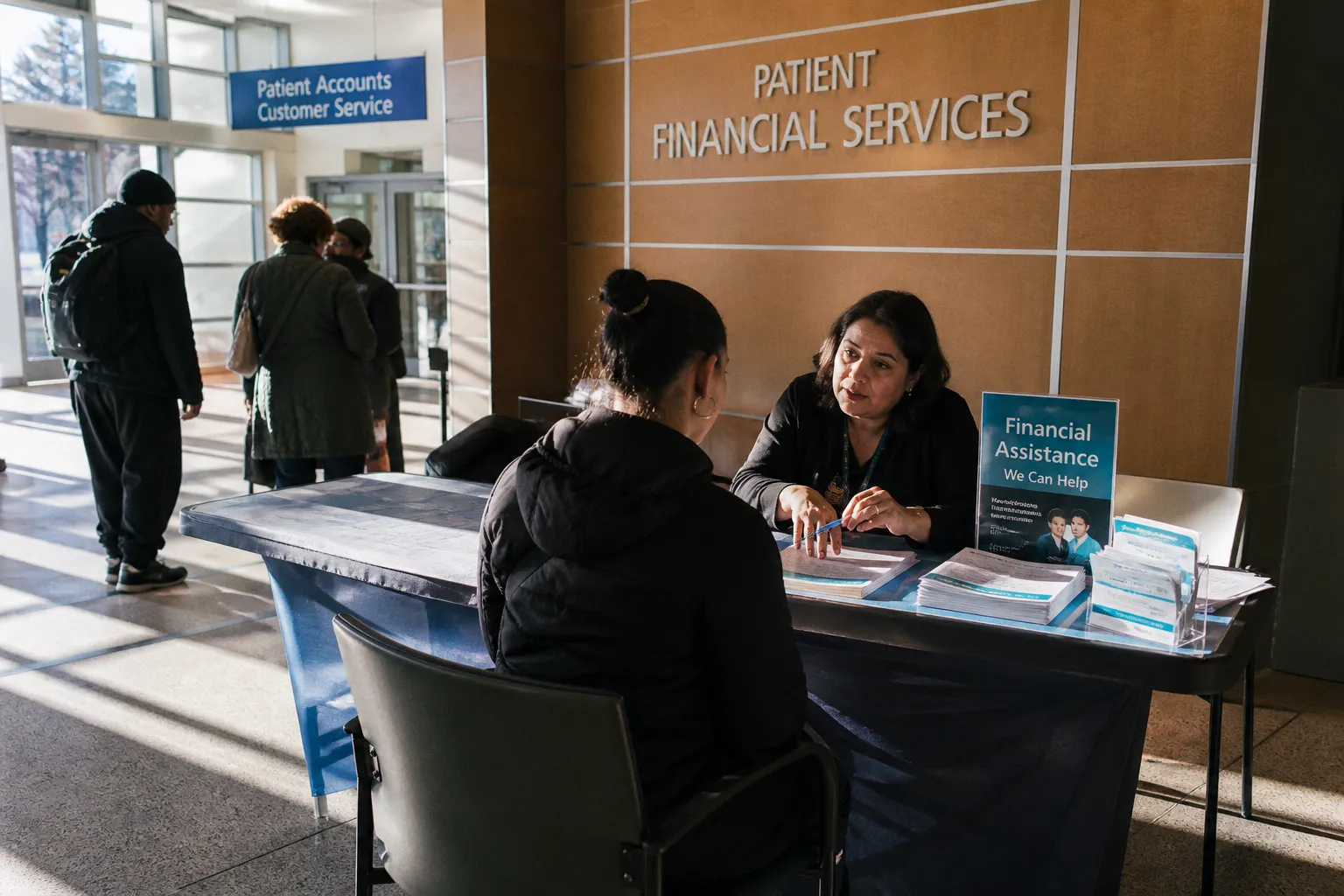
If you've spent any time in a community clinic waiting room in the Bronx or standing at a hospital billing window in Queens, you already know that the gap between what people technically qualify for and what they actually receive can be enormous — and that is precisely the gap New York Attorney General Letitia James is trying to close with new guidance on the state's Hospital Financial Aid Law. Released by the Office of the New York State Attorney General, the document walks patients through a protection that many insured and uninsured New Yorkers alike have never been told exists, and it lands at a moment when hundreds of thousands of residents are losing zero-premium coverage because of federal funding changes. For the nonprofit leaders I work with across the city, this is not just a consumer notice — it is a policy moment that reshapes how your clients, your case management scripts, and your benefits enrollment conversations need to function for the rest of 2026.
What the law actually guarantees, in plain language
The guidance, released on August 20, 2026, breaks down New York's Hospital Financial Aid Law into language a benefits counselor can hand to a client without translation. All hospitals in the state are required to offer discounted or free care — what the Attorney General's office calls "charity care" — to patients who cannot afford their bills, and the eligibility bar is wider than most people assume. Households earning up to 400 percent of the federal poverty level may qualify for some form of assistance, and hospitals must waive all charges entirely for anyone earning less than 200 percent of that threshold. To put numbers on the page the AG's office did provide, that translates to free care for single New Yorkers earning less than $31,920 and for four-person households earning less than $66,000, with discounted care potentially available for single filers earning up to $63,840 and families of four earning up to $132,000. The guidance also makes clear that patients do not need to be uninsured to qualify; people who have exhausted their insurance benefits, or who have spent more than 10 percent of their household income on out-of-pocket medical costs in the past year, may also be eligible.
Protections your clients probably do not know they have
For nonprofit staff doing benefits screening, the most operationally useful section of this guidance is the list of things hospitals cannot do. According to the Attorney General's release, hospitals cannot deny emergency or medically necessary care because of an unpaid bill, cannot limit financial aid based on a patient's medical condition, and cannot ask about or consider a patient's immigration status when determining eligibility. Applying for financial aid does not count as a public benefit and does not affect immigration status, and hospitals are legally prohibited from reporting applicants to immigration authorities. On the collections side, hospitals also cannot send a bill to a debt collector while a financial aid application is under review, or for at least six months after sending a patient's first bill. These are concrete enforcement levers, and they are exactly the points where a knowledgeable advocate can intervene when a client is being pressured into payment they do not legally owe.
Why this lands now, and what to watch
The timing of the guidance is not incidental. According to the Attorney General's office, federal cuts passed in the budget law known as H.R. 1 caused New York's Essential Plan income limit to drop from 250 percent to 200 percent of the federal poverty level on July 1, 2026, pushing roughly 450,000 New Yorkers off zero-premium coverage and into marketplace plans with higher premiums, deductibles, and out-of-pocket costs. As James put it in the release, "No New Yorker should have to choose between their health and their financial security," and the office framed hospital financial aid as one of the few protections standing between a medical emergency and crushing debt for newly underinsured residents. For our sector, the practical roadmap is straightforward: update intake scripts to screen for charity care eligibility alongside insurance status, train front-line staff on the 200 percent and 400 percent federal poverty level thresholds, and flag any hospital billing practice that pressures a client before an aid application has been decided. The AG's guidance is a tool your organization can hand directly to clients, embed into benefits enrollment workflows, and use as the basis for advocacy if a local hospital is not honoring its obligations.