Why New York’s Medicaid Billing Rules Are Straining Community Health Centers
Per a column published by nonprofit health center leadership in City & State New York, a Medicaid reimbursement asymmetry is constraining service capacity at two of New York's largest community health operators.
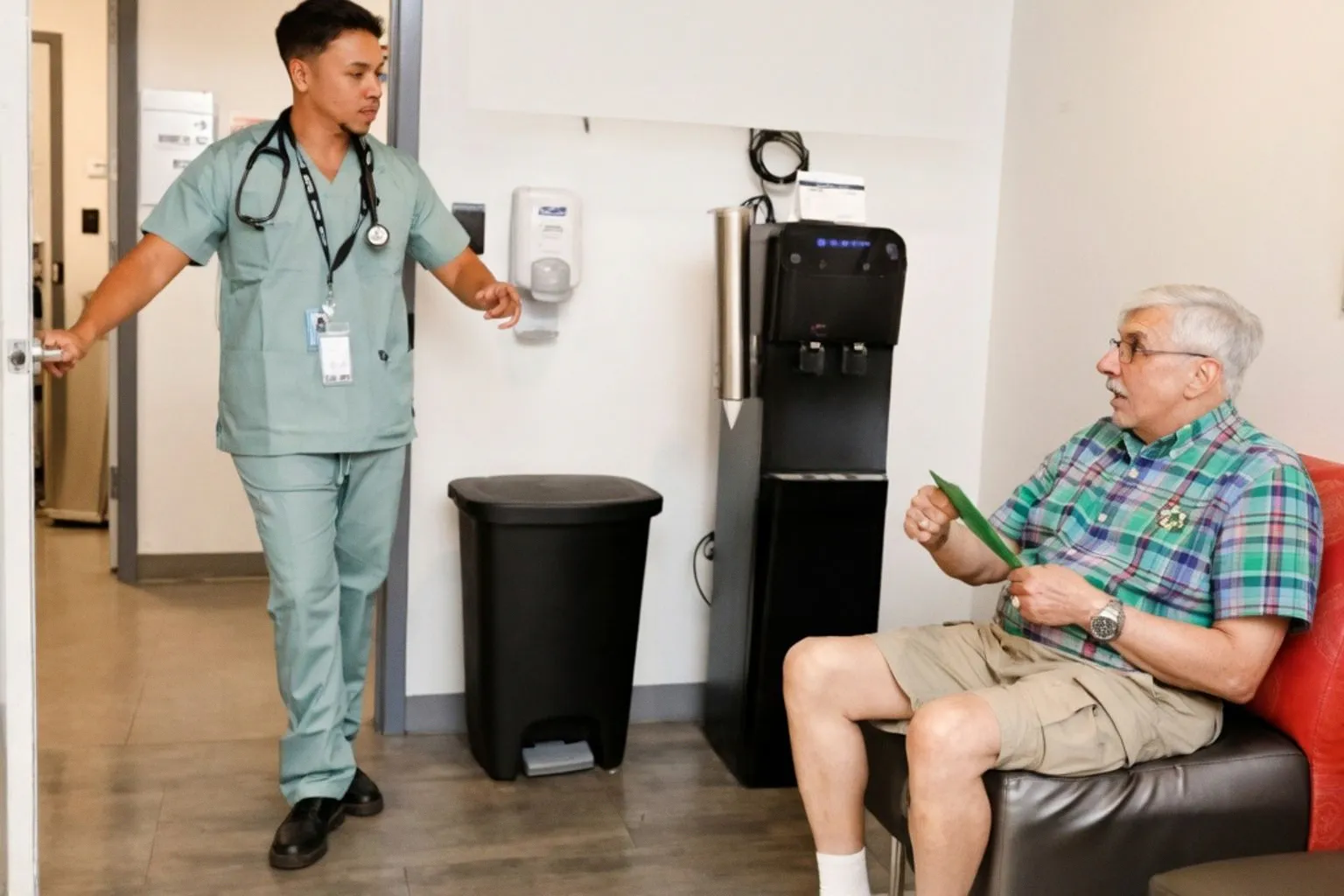
The two organizations — Callen-Lorde and Community Healthcare Network — collectively serve 87,000 patients across primary, behavioral, and wellness care.
Both entities operate as Federally Qualified Health Centers, delivering care under Article 28 of New York public health law. That classification excludes them from the full Medicaid reimbursement rate available to Article 31 and 32 behavioral health providers for virtual visits. The outcome is a structural fiscal constraint built into the state's billing architecture for remote care.
The Rule Asymmetry
Article 28 clinics differ operationally from Article 31 and 32 sites. During the pandemic, both categories received full Medicaid reimbursement for virtual visits. The accommodation persisted for Article 31 and 32 providers after the public health emergency ended. Article 28 facilities did not retain that parity.
Under current New York State Department of Health guidance, behavioral health clinicians at Article 28 sites must be physically present during virtual patient encounters. That requirement collides with the square-footage profile of community health centers, where primary, preventive, and behavioral services compete for limited clinical space. Per the column, clinic architecture prevents scheduling the behavioral health appointment volume required to meet Medicaid patient demand.
Operational Drag and Provider Migration
The reimbursement gap translates into measurable workforce effects. Callen-Lorde has lost multiple seasoned, licensed behavioral health providers over the past 18 months, according to the column. Clinicians are migrating to Article 31 and 32 sites or to venture capital-backed telehealth platforms that permit fully remote arrangements. The on-site rule functions as a competitive disadvantage in clinical recruitment and retention.
Demand for virtual behavioral health visits leads all virtual care categories in utilization across commercially insured populations, per a data review cited in the column. Community health centers cannot capture that demand curve while the on-site restriction remains in force. Overhead ratios at the affected clinics reflect the gap: fixed facility costs continue, while revenue per virtual encounter remains compressed.
What to Track
- State Medicaid policy revisions affecting reimbursement parity for Article 28 facilities
- Behavioral health workforce migration patterns from FQHCs to Article 31 and 32 sites and for-profit telehealth operators
- Facility expansion or redesign plans at Callen-Lorde and Community Healthcare Network
- Federal telehealth payment parity proposals with the potential to override state-level restrictions
- Throughput metrics at affected clinics: appointment volume, waitlist duration, and provider-to-patient ratios
- Compliance metrics tied to any newly proposed state-level behavioral health access benchmarks