NYC Renews Emergency Order for Humanitarian Relief Centers Amid Planning Delays
The Mayor's Office just gave New York's humanitarian emergency order another five-day leash. Emergency Executive Order No.
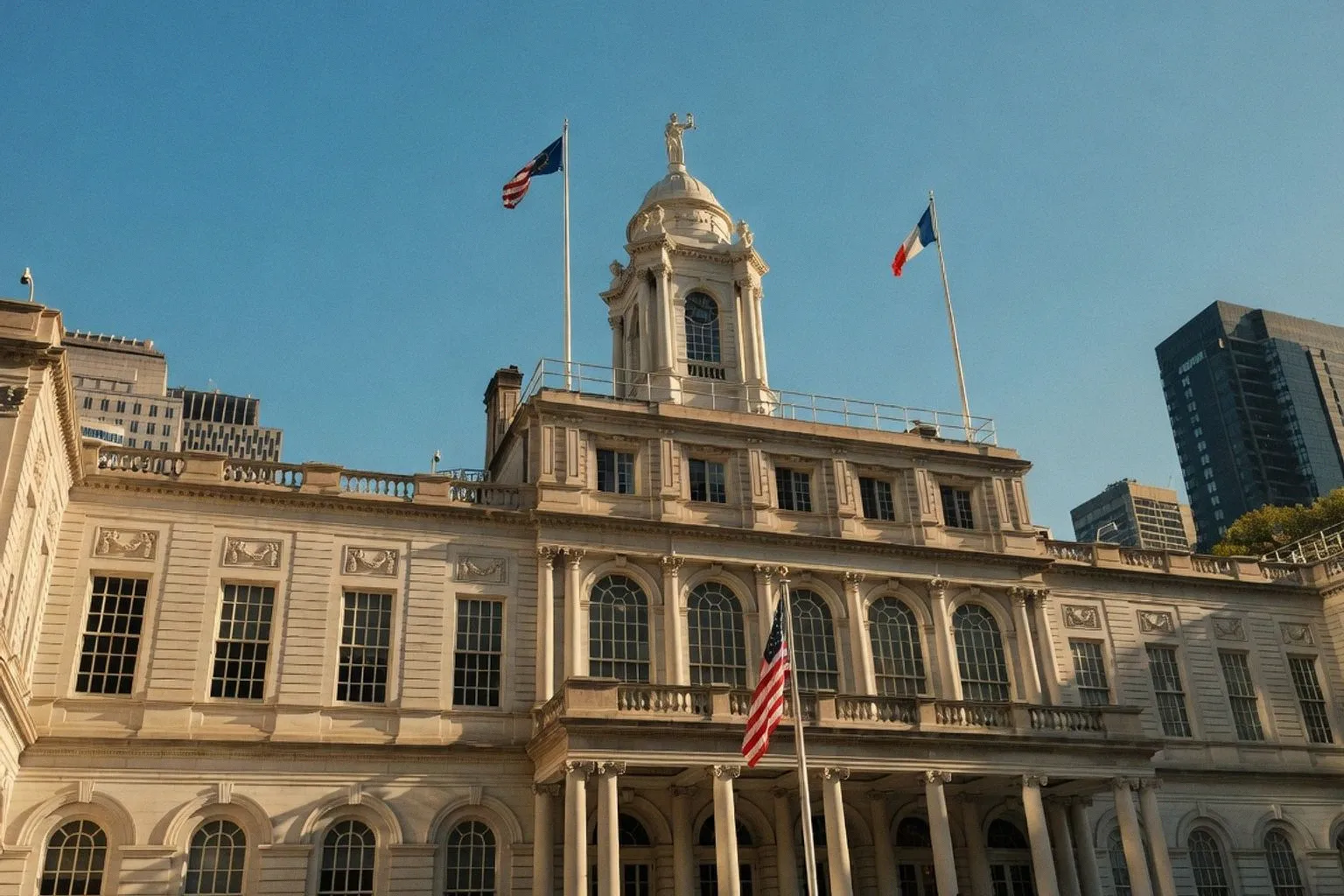
2.48, signed this week, extends the City's emergency measures for Humanitarian Emergency Response and Relief Centers — the very same facilities that have been running on suspended rules since the original state of emergency was declared back in October 2022. If you've been counting extensions, congratulations, you're one of us.
The five-day treadmill
Let's call this what it is: a bureaucratic holding pattern dressed up as governance. The City has been rolling these orders forward in five-day increments, which tells you two things at once. First, nobody in a position of authority has yet produced the implementation plan that the orders themselves acknowledge is overdue — the paperwork says the prior orders "did not provide or require a plan" for winding down the suspensions, and we're still waiting. Second, every five days, DSS and DHS get to keep operating outside the normal rules without anyone having to defend that arrangement in any longer political cycle. That's not crisis management. That's the government equivalent of a monthly auto-renew you forgot to cancel.
The order does repeat a familiar instruction: the Department of Social Services and the Department of Homeless Services, in consultation with the Law Department, must keep updating the Mayor on an implementation plan to phase out facilities that have been leaning on those suspended provisions. Read that sentence twice. It does not say the plan exists. It says they shall keep working on it.
What nonprofits actually feel
For the nonprofits and providers staffing these relief centers — and you know who you are — the five-day clock is its own form of whiplash. Contracts, staffing decisions, capital expenditures, and clinical placements all hang on whether suspended regulations stay suspended next Tuesday. Every brief reprieve resets the calendar without settling the question of who pays for what once the suspensions lift. If your organization has built a program around a HERC site, you've been operating in a planning fog for years, and this order does nothing to lift it.
The order also keeps in place the suspension of specific Administrative Code sections covering facility standards — Sections 21-309, 21-312, and 21-124 — that would normally govern how these sites operate. Suspended rules are convenient until something goes sideways, at which point the same providers become the ones holding the bag.
What to watch next
We are not in the business of inspirational platitudes, so here is the reality check. Until the City publishes a real phase-out plan — with dates, funding, and a relocation strategy for the people in those beds — every five-day extension is just a vote of no confidence in the planning process. Track whether DSS and DHS actually deliver a written implementation roadmap, and whether the next order replaces the open-ended directive with something that looks like a timeline. If the City can't produce a plan in five more days, ask yourself what, exactly, the emergency powers are still buying us.