Protecting Your Donations: How to Spot Fake Charities After the Colombia Earthquake
Another disaster, another gold rush for scam artists — and yes, we need to talk about it.
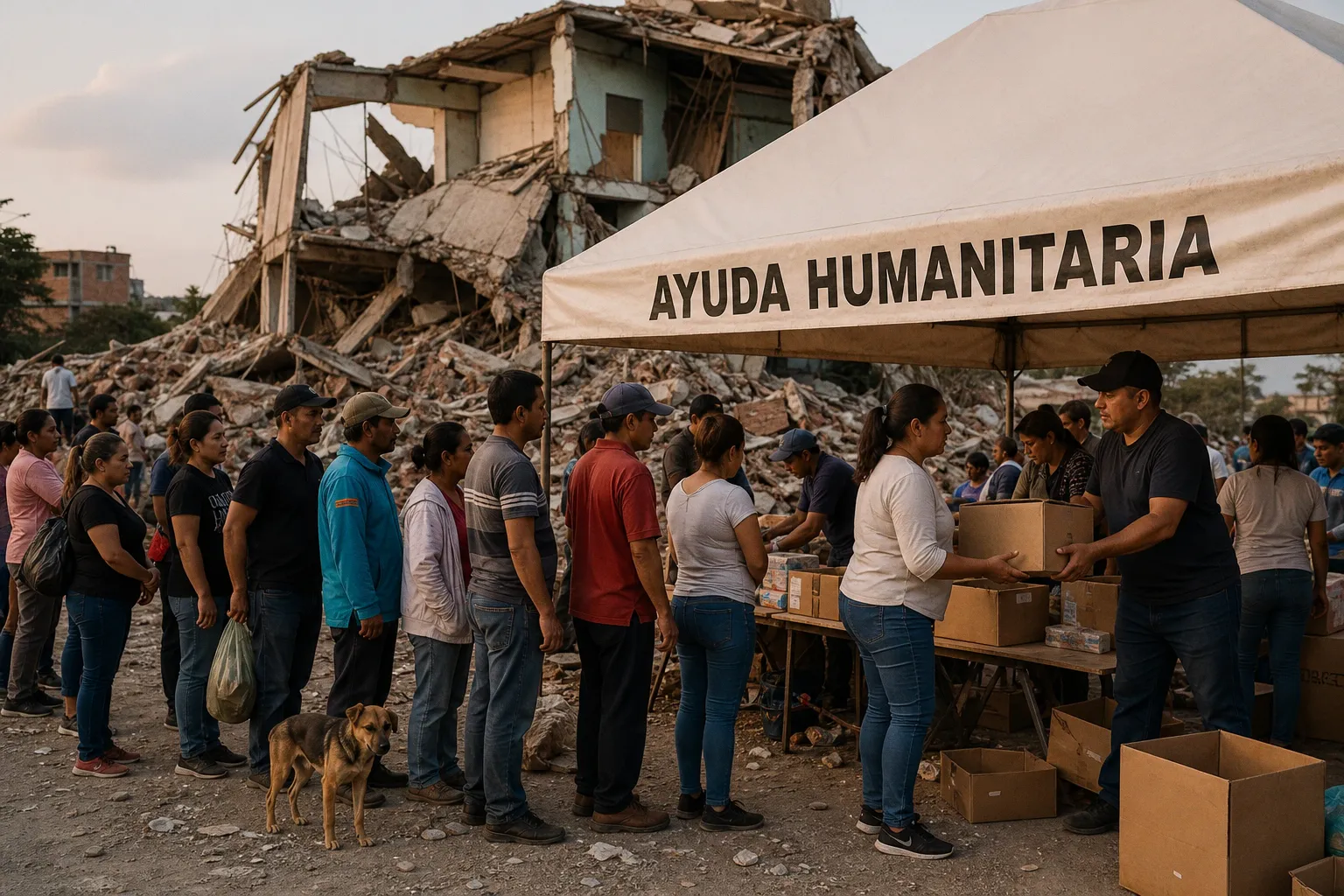
New York Attorney General Letitia James dropped the now-familiar warning this week: if you're moved by the devastating earthquake in Colombia and want to open your wallet, slow down. Because the wolves are already circling, and they've got donation pages prettier than most legitimate nonprofits.
We've watched this movie before — Haiti, Puerto Rico, every wildfire season, every flood. The pattern is depressingly reliable: human kindness meets organizational chaos, and bad actors walk away with the cash.
The Playbook You've Seen a Hundred Times
Here's how it works, and James's office basically confirmed it again: fraudulent orgs spin up overnight with names that sound like real relief groups — same keywords, same logos borrowed from somewhere, same sob-story copy. They count on your adrenaline, your guilt, and the fact that you don't have time to verify before the news cycle moves on.
James put it bluntly enough for the press release: she "urges" New Yorkers to be careful of sham charities and "make sure" they're giving to trustworthy outfits. She also said anyone who hits a snag while donating should contact her office directly — which is the part most donors will ignore, because who actually follows up on a $25 charge they forgot about three weeks later?
What You Actually Do Before Hitting "Donate"
We know the tips. We've all read them. And yet every disaster, the same ones get skipped. So let's be annoyingly specific:
Look up the organization. New York requires charities — and any paid fundraiser working on their behalf — to register and file financials with the Attorney General's Charities Bureau. Search the registry before you give, not after. If the name doesn't appear, that's your answer.
Watch the name games. If "International Relief Fund for Colombia" looks suspiciously generic, it probably is. Real organizations have specific, verifiable identities — a website with a track record, a board you can name, an EIN that checks out.
Read the fine print on the donation page. Who's actually collecting the money? Is it the charity itself, or a third-party fundraiser skimming a percentage? Sometimes the bulk of your gift evaporates into "processing fees" before it ever reaches a survivor.
Keep the receipt and the confirmation email. If something smells off later, you'll want the timestamp.
The Harder Conversation Nobody Wants
Here's the part the press releases skip: even legitimate charities can be a disappointment in a crisis. Some sit on donations for months while they figure out logistics. Some redirect funds to "operational costs" that would've made your blood pressure spike had you known. Some have zero infrastructure in the affected region and end up writing big checks to the groups that do.
Cynical? Maybe. But we've been in the trenches long enough to know that "100% of your donation goes to victims" is almost always a lie, and "we'll deploy funds immediately" often means a board meeting first.
So yes — give, if you can. But give like someone who's been burned before, because odds are, you have.