UK Charity Commission Launches Class Inquiry Into Settlement Funding
The UK Charity Commission opened a statutory class inquiry on August 4 targeting multiple charities that have directed funds toward activities in Israeli settlements in Palestine.
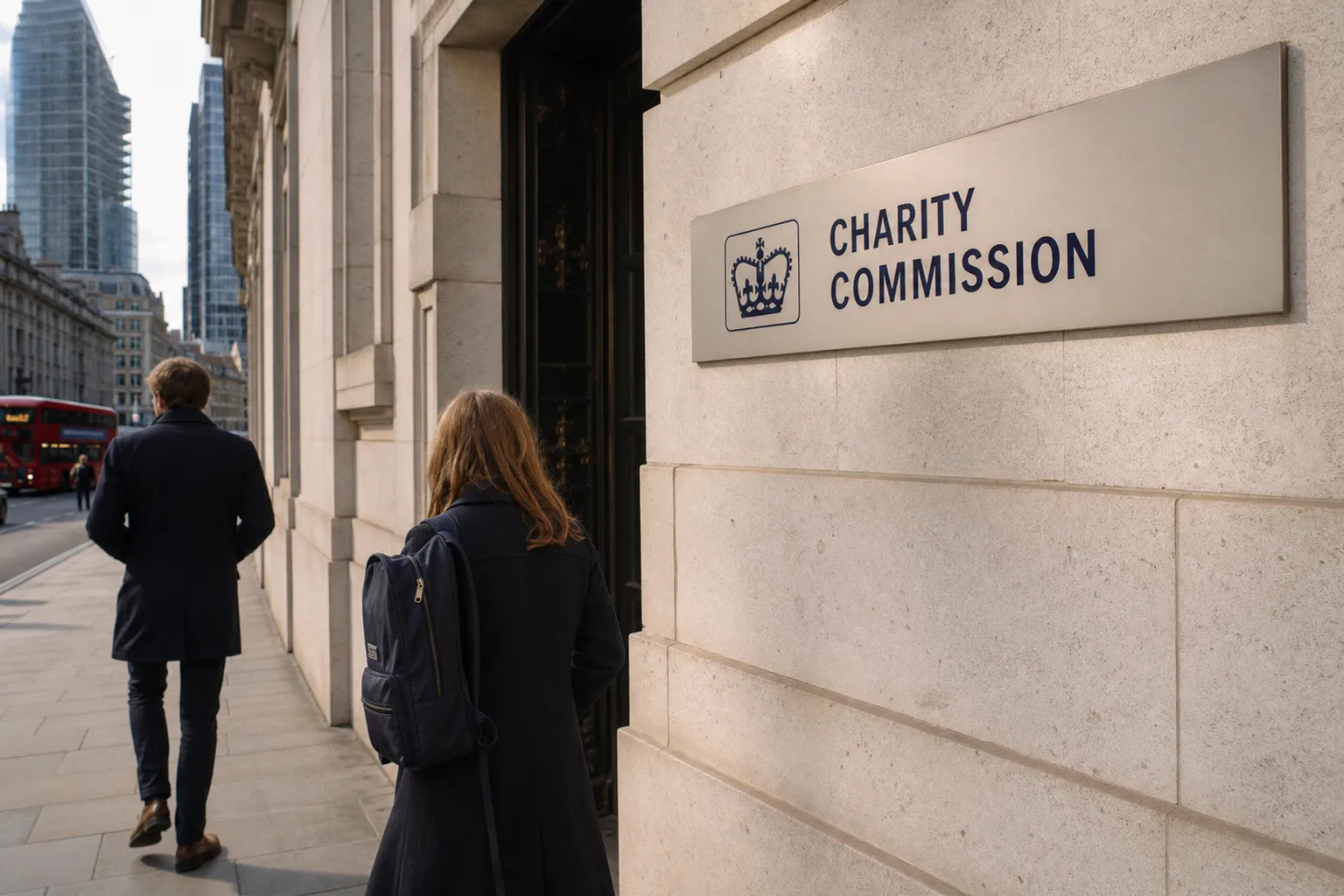
Eight organizations — unnamed — are under initial examination. The regulator plans to expand the scope. For NYC nonprofits operating internationally or funding partners abroad, the case offers a direct compliance datapoint: regulators are now treating geographic risk as a class-level trigger, not a case-by-case exception.
Scope and Mechanism
The Commission classified this as a "fact-finding statutory class inquiry" — a regulatory tool that enables systematic review of a defined category of organizations rather than investigating each charity individually. The eight initial targets were prioritized using risk factors: location of partners and recency of alleged activity. The Commission has not released names; publication is deferred until the report stage.
Key variables under review: total charitable funds deployed in settlements, purpose of that spending, and whether expenditures align with each charity's stated objects. The Commission will also assess whether assets or beneficiaries face risk. Information has been shared with UK police and HMRC (the UK tax authority), signaling potential financial compliance implications beyond the charitable sector alone.
Stephen Roake, Assistant Director of High Risk Compliance, stated the inquiry's baseline: charities must demonstrate delivery on their purposes regardless of geography. The Commission frames the exercise as precedent-setting — it intends to produce regulatory guidance derived from findings, not merely enforcement outcomes.
What NYC Operators Should Monitor
This is a UK action. Direct jurisdictional overlap with US nonprofits is zero. The relevance is structural.
Compliance architecture. The Commission's approach — class inquiry, unnamed entities at launch, expanded scope over time — mirrors a trend visible in US state-level charity regulation. New York's Charities Bureau has its own investigation frameworks. Class-based triggers (conflict zones, partner geography, fund-flow opacity) are increasingly common in regulatory playbooks globally.
Cross-border fund-flow scrutiny. The inquiry explicitly examines indirect funding channels — money that passes through intermediaries before reaching settlement-linked activity. NYC nonprofits with international grantmaking programs should review whether their own due diligence frameworks capture partner-level geographic risk at comparable depth.
Public trust metrics. The Commission cited "public trust and confidence" as an explicit output target of the inquiry, not just a byproduct. For NYC organizations competing for donor dollars in a crowded sector, regulatory actions abroad can shift perception locally. Board-level awareness of how international regulatory headlines affect domestic donor sentiment is a governance variable worth quantifying.
Reporting obligations. US nonprofits filing Form 990 already disclose foreign activities and grants (Schedule F). The question is whether disclosure granularity meets the standard regulators are now demonstrating — partner location, fund-chain traceability, purpose-alignment documentation.
Actionable Takeaways
- Audit international grantmaking flows. Map fund chains from US entity to end-use location. Flag any exposure to geographies under elevated regulatory or sanctions scrutiny.
- Review partner due diligence protocols. Confirm that partner-country risk assessments include regulatory environment, not just anti-terrorism screening.
- Update board compliance dashboards. Add international regulatory actions — UK, EU, other jurisdictions — as a standing agenda item if the organization operates or funds partners abroad.
- Monitor the Commission's published report. Expected findings and regulatory guidance will provide the first class-level compliance benchmark for settlement-linked charitable expenditure. Publication timeline is unspecified.
- Cross-reference Schedule F disclosures. Ensure 990 foreign-activity reporting matches internal risk documentation. Gaps between public filings and internal records are a known audit trigger.
The Commission's inquiry is fact-finding, not a finding of wrongdoing. The distinction matters. The regulatory signal, however, is unambiguous: geographic risk in international charitable operations is moving from a reputational concern to a compliance metric — and class-level instruments are the mechanism.