HIV prevention drug could reduce cases globally but USAID cuts prevent access, say experts
According to experts at the Aids 2026 Conference in Rio de Janeiro, injectable lenacapavir could prevent an estimated 41% of new HIV infections in South Africa, Zimbabwe, and western Kenya, yet global access remains blocked by US foreign aid contractions.
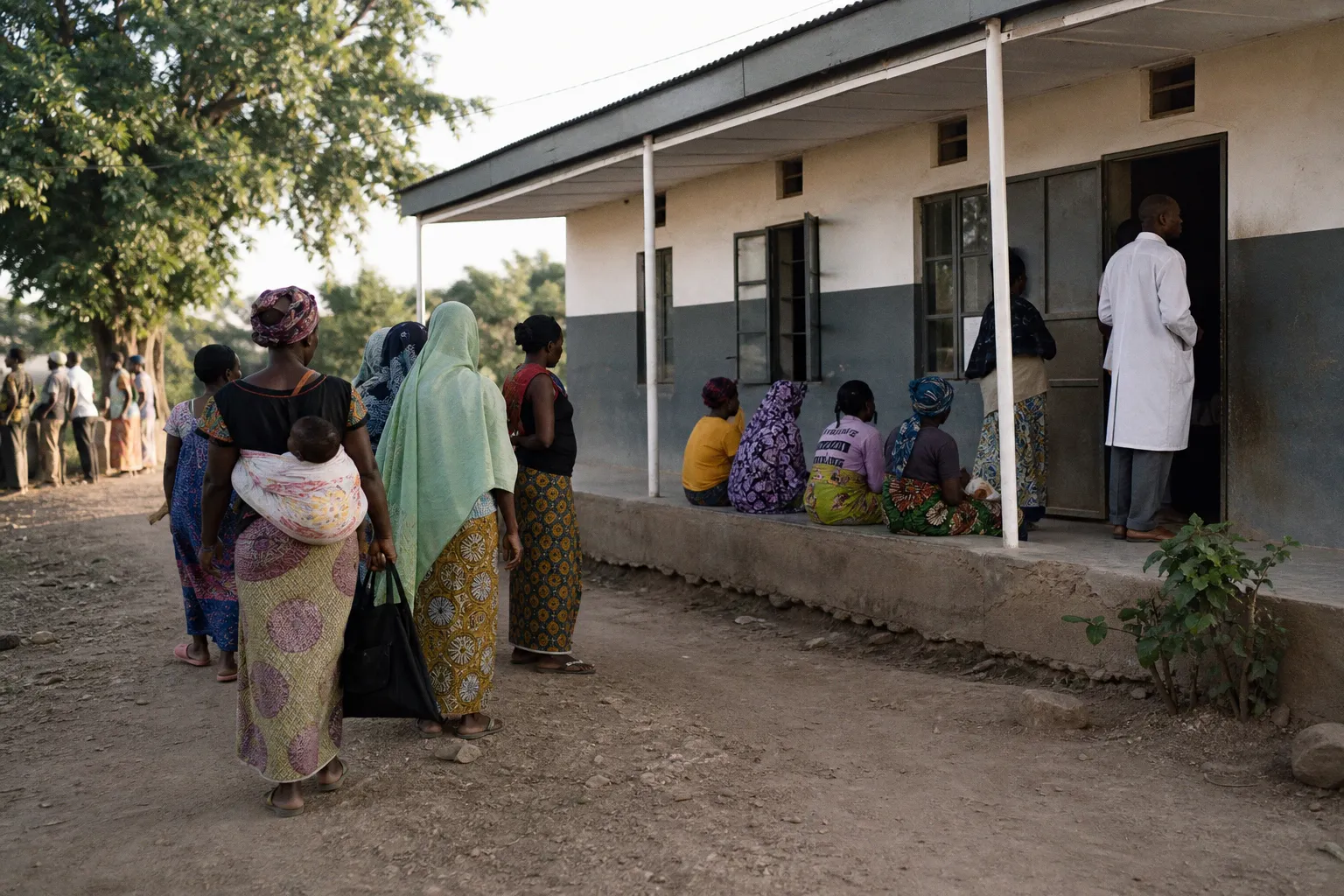
As of July 2026, the drug's distribution infrastructure is fragmenting while WHO guidance for expanded uptake sits unimplemented. For NYC-based nonprofits operating in HIV prevention, harm reduction, and global health, the funding data points below translate into direct portfolio risk.
Funding baseline and contraction
USAID supplied 73% of donor-funded resources for HIV prevention globally, per a Lancet Global Health study referenced at the conference. The Trump administration's dissolution of the agency has triggered measurable reductions in peer outreach, medication distribution, and harm reduction programming. A report from the International Network of People Who Use Drugs documents that organizations hit by funding loss cut outreach services first.
"The funding cuts are affecting deeply the delivery not only of these new prevention technologies but also decreasing the number of people engaged in care, engaged in prevention services," said Beatriz Grinsztejn, president of the International Aids Society and an infectious disease physician at Fiocruz.
Ailish Brennan, policy analyst at Harm Reduction International, added that peer outreach workers—critical for engaging people who use drugs—have been disproportionately impacted.
PrEP modality comparison
- Daily oral PrEP: 99% efficacy with consistent adherence.
- Bimonthly injectable PrEP: 99% efficacy with consistent adherence.
- Lenacapavir (annual dosing): two injections per year; WHO-recommended for scale-up since 2025; access outside clinical trials remains limited.
Barriers to current modalities include poverty, stigma, and distance to healthcare facilities—variables that lenacapavir's biannual dosing schedule directly addresses.
Action items for NYC nonprofit operations
NYC organizations with multi-country portfolios or sub-award relationships should map exposure to the following variables:
- Active USAID awards: termination, suspension, or restructuring status
- Sub-recipient funding arrangements with international partners
- Peer outreach staffing levels and retention metrics
- Supply chain dependencies for PrEP and harm reduction commodities
- Pipeline forecasts for lenacapavir procurement
WHO recommended lenacapavir scale-up one year ago. Implementation metrics against that recommendation now serve as the clearest indicator of whether the 41% prevention projection becomes achievable or remains a modeling artifact.