Inside the 365 Shepherd Project: A Blueprint for Supportive Housing in Brooklyn
18, I watched something quietly powerful unfold in Cypress Hills, where the Nonprofit Finance Fund and HousingPlus opened the doors of 365 Shepherd to a packed room of elected leaders, agency staff…
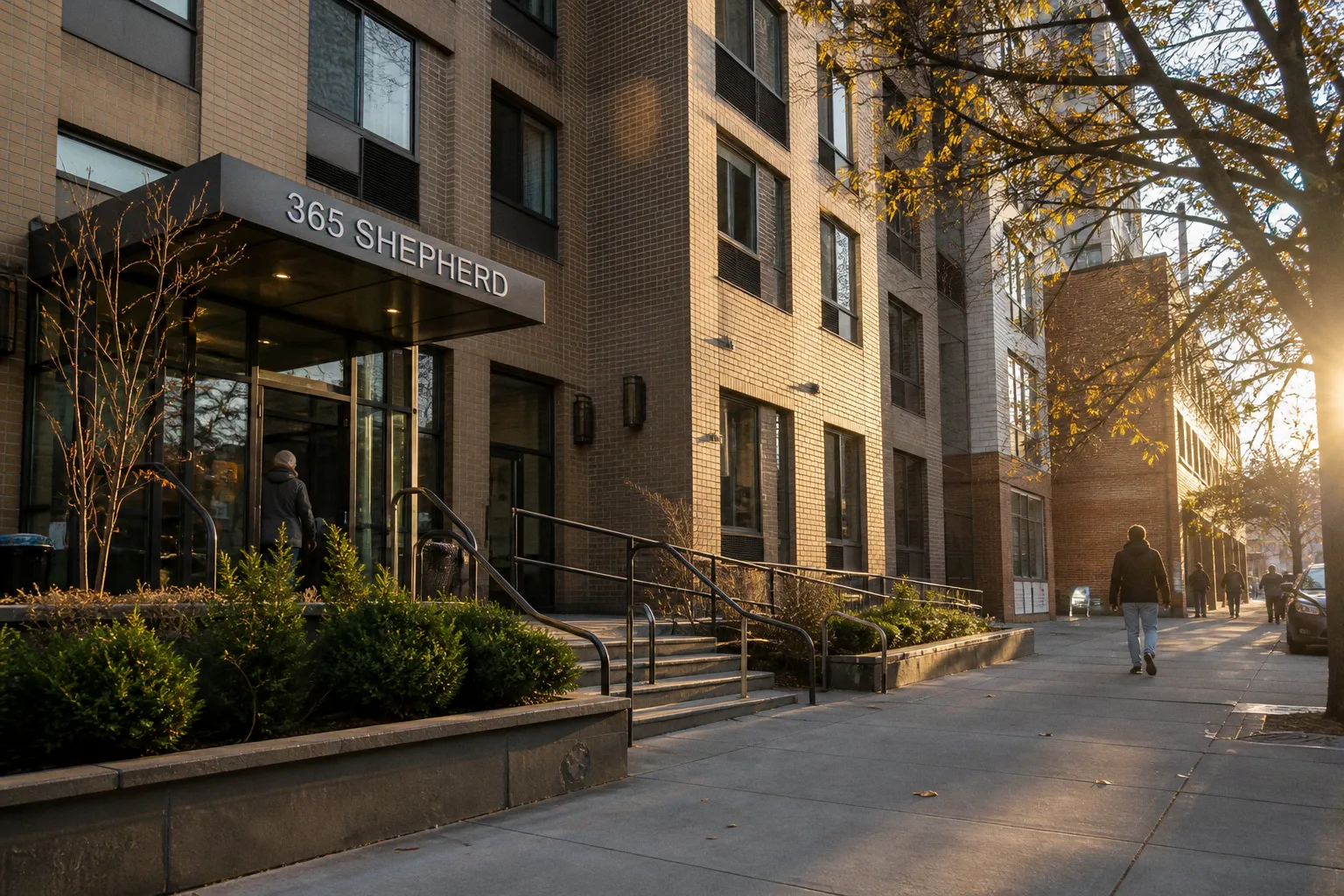
18, I watched something quietly powerful unfold in Cypress Hills, where the Nonprofit Finance Fund and HousingPlus opened the doors of 365 Shepherd to a packed room of elected leaders, agency staff, advocates, and mission-driven lenders. The occasion was billed as a site visit — but what was really on display was a working model of how layered public-private partnerships can transform a former junkyard into 123 affordable apartments, 74 of them set aside as permanent supportive housing for New Yorkers who have experienced homelessness. For our community of nonprofit operators, funders, and policy folks across the five boroughs, this is exactly the kind of on-the-ground evidence I want us to be tracking closely right now.
What the building actually delivers
365 Shepherd sits in East New York and carries a $61 million development price tag, financed through a partnership that includes Spatial Equity alongside public and philanthropic capital. The building itself is LEED Gold-certified, and every unit is affordable to households earning up to 60 percent of the Area Median Income — a meaningful threshold in a neighborhood where market rents have long outpaced what local workers can carry. The 74 supportive units are paired with HousingPlus's service model, which is what transforms bricks and mortar into a genuine housing intervention for people cycling through shelters or the street rather than simply adding supply to a hot market.
Why the partnership structure matters to your organization
What I find most useful about this gathering, and what I would encourage you to take back to your own boards and leadership teams, is the visible choreography of capital behind the project. NFF, HousingPlus, and the Corporation for Supportive Housing are already lined up to break ground on a sibling project at 729 Van Sinderen Avenue — meaning the financing architecture on view at 365 Shepherd is not a one-off experiment but a template that is steadily being repeated across Brooklyn. Aisha Benson, CEO of NFF, and Karen Ford, CEO of HousingPlus, framed the day around a premise worth sitting with: when city, state, and philanthropic dollars are braided together with mission-driven lenders, the city's housing needs become genuinely addressable rather than rhetorical.
What I would watch next
If you are advising an organization considering supportive or affordable housing development — or simply trying to read the room on where nonprofit finance is heading — I would put three threads on your radar. First, follow how NFF and CSH continue to deploy capital into Brooklyn and whether comparable partnership bundles emerge in the Bronx or Queens over the coming year. Second, track the pipeline of supportive housing set-asides tied to 60 percent AMI thresholds, since service funding and operating subsidy are where most supportive projects quietly succeed or fail. And third, if you missed the visit, NFF has made the day's presentation slides and a New York impact brochure available for download — treat that material as a reference document to circulate before your next strategic conversation about capital stack design.