Police launch criminal investigation into Reform UK donations
Here in New York, we like to think our nonprofit oversight is tighter, but the UK’s Reform UK donation scandal is a masterclass in what happens when donor vetting and board accountability go sideways.
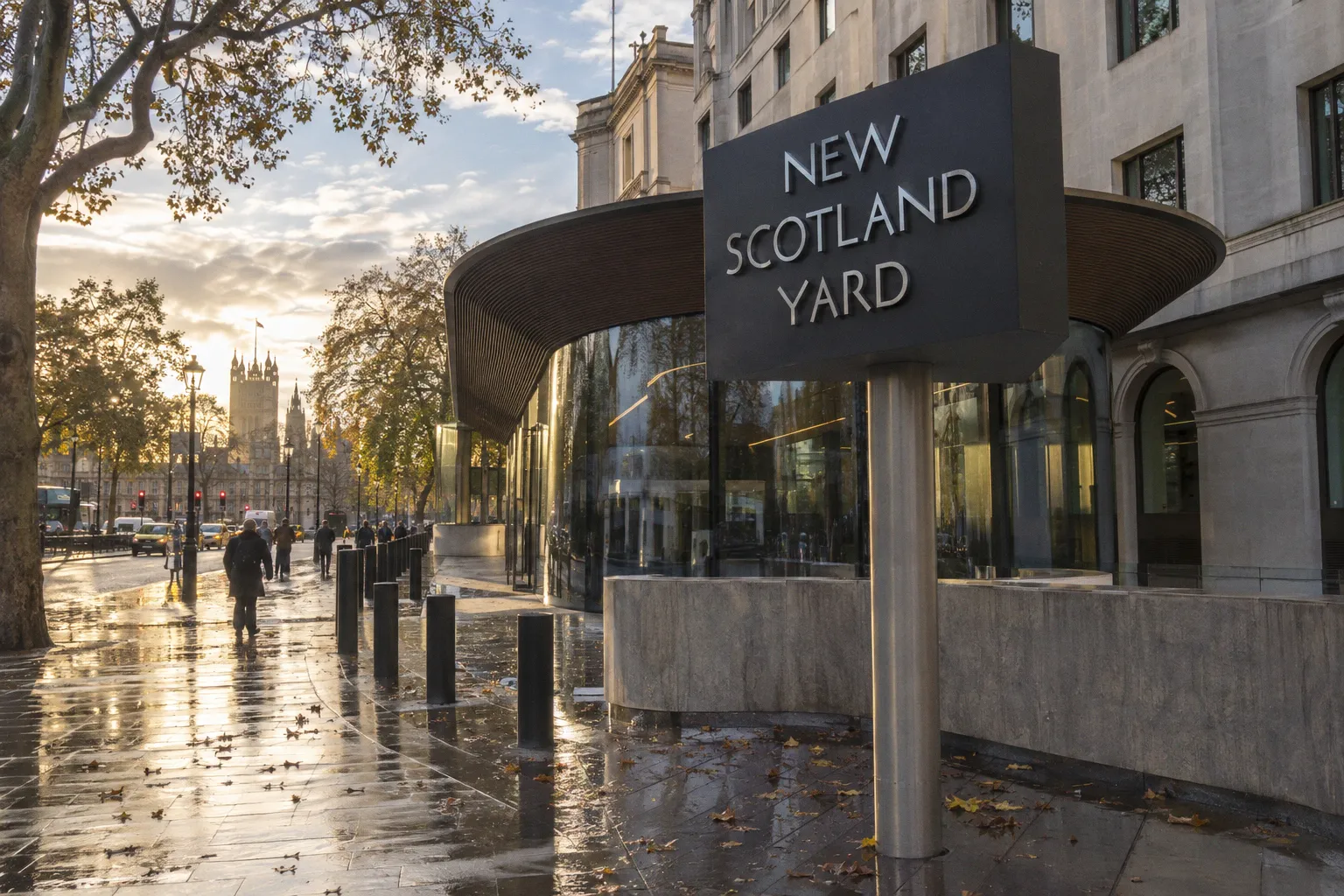
According to a joint investigation by Channel 4 News and Verbatim Investigations, undercover reporters posing as foreign donors captured footage of senior Reform UK aides apparently discussing ways to circumvent laws banning foreign political party donations. The Metropolitan Police have now launched a criminal probe, folding these new allegations into an existing inquiry into other party donations. For New York’s nonprofit leaders, this isn’t distant political theater—it’s a live-fire exercise in the consequences of lax governance.
The Anatomy of the Sting
The crux of the evidence is undercover footage where individuals described as close advisers to party leader Nigel Farage appeared to suggest structuring a donation to get around the UK’s Political Parties, Elections and Referendums Act 2000, which requires donors to be UK-registered voters or companies. One approach allegedly discussed involved channeling funds from an American father through his UK-based son. In another instance, an aide allegedly suggested the foreign donor could fund opinion polling to benefit the party, a potential donation in kind that wasn't publicly reported. A sum of £500,000 is mentioned in the footage in relation to one proposed donation, though the broadcast states the payment was never actually made. The fallout was swift: the party’s chief of staff and head of policy both resigned, denying wrongdoing.
The Systemic Failure and the Nonprofit Mirror
This is classic boardroom theater—the illusion of process masking real risk. The investigation by the Met’s Special Enquiry Team isn’t just about one potential illegal donation; it’s examining a pattern, including prior payments from an individual connected to the party’s deputy leader. For NYC nonprofits, this underscores a critical point: donor due diligence can't be a one-time check. It needs to be a continuous process, especially when large gifts come with complex structures or from international sources. The UK’s Electoral Commission and police are now involved, highlighting how reputational and legal crises escalate when internal controls fail. A party spokesman’s response—that they “deny any wrongdoing and will fully cooperate”—is the standard line, but cooperation with a criminal investigation is a massive drain on resources and focus, a cash flow hemorrhage no organization wants.
What NYC Nonprofits Should Watch
While this is a UK political story, the lessons are globally applicable for any governed entity. First, anonymous or obscured donor intent is a massive red flag. The apparent suggestion to use a third party’s name is a basic structure for evading transparency laws. Second, the role of "in-kind" contributions, like funding for polling, is a common blind spot. These must be valued, reported, and scrutinized. For New York-based organizations, this is a reminder to audit your own donor acknowledgment policies and ensure your board understands its fiduciary duty to vet gift origins. It’s not just about accepting checks; it’s about protecting your institution’s charter and standing. Keep an eye on the outcome of the Met’s investigation—precedents set here could influence global thinking on enforcement around political and nonprofit funding loopholes.